
NEU


Pure Ferment – traditionell fermentiert

Normale prijsnur29,90 €

Inclusief BTW.
zzgl.
Menge
Bestseller
Wird Montag versendet – in 2–3 Werktagen bei dir.


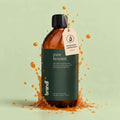
Pure Ferment
In de uitverkoop vanaf 29,90 €
Kundenstimmen
Das sagt
unsere community.
„Ich hatte vorher noch nie ein fermentiertes Pflanzenprodukt. Die Kombination aus 25 Bio Kräutern und Pflanzen finde ich richtig interessant und das Produkt wirkt sehr hochwertig.“
1 / 5

 Fabian Hambüchen

 Julia Taubitz

 Alex Popp

 Patrick Groetzki

 Eric Stadie

Für deine tägliche Performance
Hochwertige Inhaltsstoffe – sinnvoll kombiniert.
Die wichtigsten Fakten
20Portionen pro Flasche
25 mlTagesdosis
500 mlpro Flasche
ab 0,92 €pro Portion
Das steckt drin

Fermentierter Bio-Kräuter- und Pflanzenextrakt

Mikroorganismenkulturen
Deine Vorteile

Komfortable Einnahme

Abgefüllt in Deutschland

Unabhängig laborgeprüft
Das ist dein neues Pure Ferment


25 Bio Kräuter & Bio Pflanzen

Traditionell fermentiert in Rohkostqualität

33 Mikroorganismenstämme

Du hast Fragen? Wir haben Antworten.
Ruf uns direkt an oder buche dir deinen kostenlosen Beratungstermin: wir nehmen uns bis zu 30 Minuten Zeit um dich ganz persönlich zu beraten und alle deine Fragen zu klären.
Schnelle Durchwahl
09:00 - 17:00 Uhr
Direkter Draht
Buch dich hier in den Kalender unseres Mitgründers Konsti ein.
Was macht uns so besonders?
Der direkte VergleichKein Hype, kein überzogener Preis. Transparente Werte, die man auf einen Blick vergleichen kann.
Produktvergleich
 Pure Ferment
 Klassischer Kräuterextrakt
25 traditionell fermentierte Bio Kräuter & Bio Pflanzen
Ja


Nein
33 Mikroorganismenstämme
Ja
Nein
Traditionell fermentiert in Rohkostqualität
Ja
Nein
Bio Qualität & 100 % vegan
Ja
Nein
Fermentiert in Deutschland & unabhängig laborgeprüft
Ja
Nein
Eure Bewertungen

Wo Wissenschaft Natürlichkeit trifft
- In Deutschland entwickelt und abgefüllt
- Unabhängig laborgeprüfte Produkte
- Kein Einsatz von Inhaltsstoffen wie Sucralose, Acesulfam K, Sucralose uvm.
Bei der Entwicklung unserer Produkte trifft Wissenschaft auf Natürlichkeit. So kreieren wir Produkte, die das liefern, was du in der heutigen Zeit brauchst. Hervorragende Sportnahrung, Superfoods und Vitamine, die dir dabei helfen, deine sportlichen und gesundheitlichen Ziele zu erreichen.
Alle Angaben unterliegen den bei Naturprodukten üblichen Schwankungen. Die angegebene tägliche Verzehrmenge darf nicht überschritten werden. An einem trockenen und kühlen Ort und außerhalb der Reichweite von Kindern aufbewahren. Nicht als Ersatz für eine ausgewogene und abwechslungsreiche Ernährung sowie gesunde Lebensweise verwenden.


